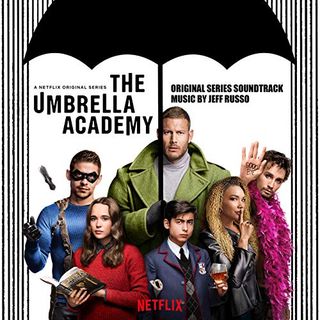
I know nothing about the comic book original format but loving the TV version on Netflix. Series 2 is even better than the first. Hoping that there will be a series 3. Delighted that my second born – DC (aka Donk, El Donko) in Sydney is also a huge fan … and Annap also getting hooked!
NETFLIX still hasn’t renewed the quirky superhero series for a third season, but subscribers are hopeful T.U.A. will continue after that sensational cliffhanger. Originally based on a comic book series by Gerard Way, the series’ creator has hinted towards a shocking betrayal when the series returns. Could Diego abandon the family to try and reunite with Lila when the series continues?Lucas Hill-Paul 21.08.20
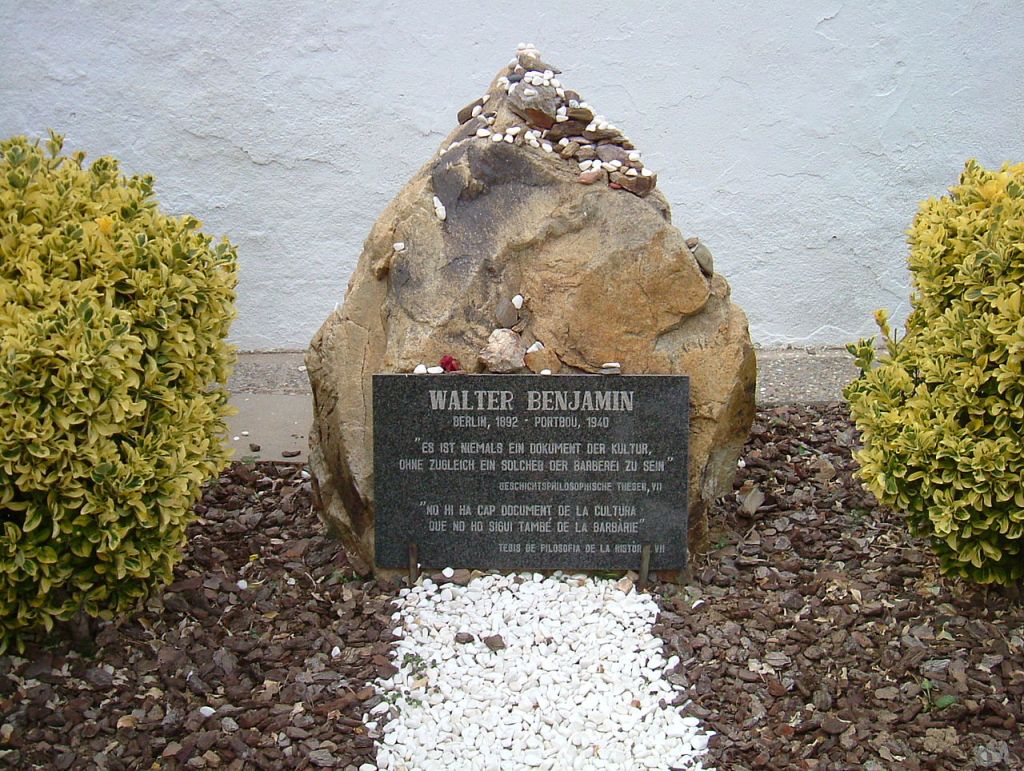
Walter Benjamin Section 7 of "Theses on the Philosophy of History": "There is no document of culture which is not at the same time a document of barbarism."

Sadly, I agree with his statement 100%.
Walter Benjamin’s grave in Portbou, Catalonia. The epitaph in German, repeated in Catalan, quotes from Section 7 of “Theses on the Philosophy of History”: “There is no document of culture which is not at the same time a document of barbarism”
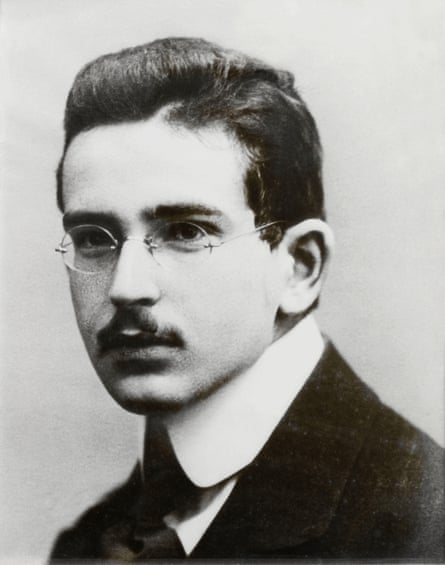
Walter Benjamin 1892 – 1940
Literary theorist and scholar, Benjamin was part of a small but incredibly significant cohort of German-Jewish intellectuals who fled the Nazis in the 1930s. The group included thinkers like Theodor Adorno, Max Horkheimer, Hannah Ardent, Herbert Marcuse, and Bertolt Brecht. Out of the above, only Benjamin died, committing suicide by morphine overdose in 1940 at a Catalonian hotel, when it became clear that the Spanish, with whom he had sought refuge, were going to turn him back over to Germany.
Europe and America 1939 … 2020 … In Memory of Ernst Toller(d. May 1939) by W H Auden.
The shining neutral summer has no voice
To judge America, or ask how a man dies;
And the friends who are sad and the enemies who rejoice
Are chased by their shadows lightly away from the grave
Of one who was egotistical and brave,
Lest they should learn without suffering how to forgive.

What was it, Ernst, that your shadow unwittingly said?
O did the child see something horrid in the woodshed
Long ago? Or had the Europe which took refuge in your head

Already been too injured to get well?
O for how long, like the swallows in that other cell,
Had the bright little longings been flying in to tell

About the big friendly death outside,
Where people do not occupy or hide;
No towns like Munich; no need to write?

Dear Ernst, lie shadowless at last among
The other war-horses who existed till they’d done
Something that was an example to the young.

We are lived by powers we pretend to understand:
They arrange our loves; it is they who direct at the end
The enemy bullet, the sickness, or even our hand.

It is their tomorrow hangs over the earth of the living
And all that we wish for our friends; but existing is believing
We know for whom we mourn and who is grieving.
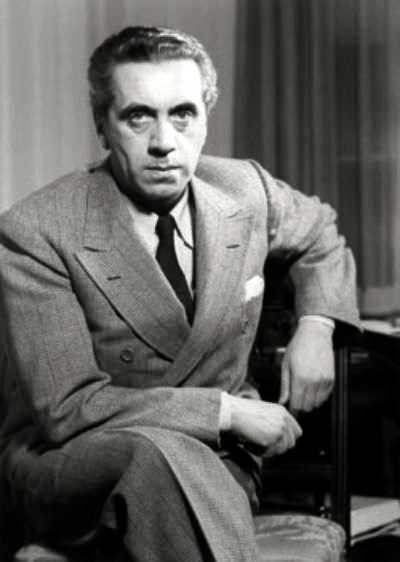
Toller, a distinguished writer, was involved in the 1919 Bavarian Soviet Republic. Short-lived, the republic and was defeated by righ-twing forces. He was imprisoned for his part in the revolution. Toller was detained and tortured, but was later able to exile himself to London. Suffering from deep depression (his sister and brother had also been arrested and sent to concentration camps) and financial troubles, having given all his money to Spanish civil war refugees), he hung himself in his hotel room at the Mayflower Hotel in New York on 22 May 1939. W. H. Auden's poem "In Memory of Ernst Toller" was published 1940.
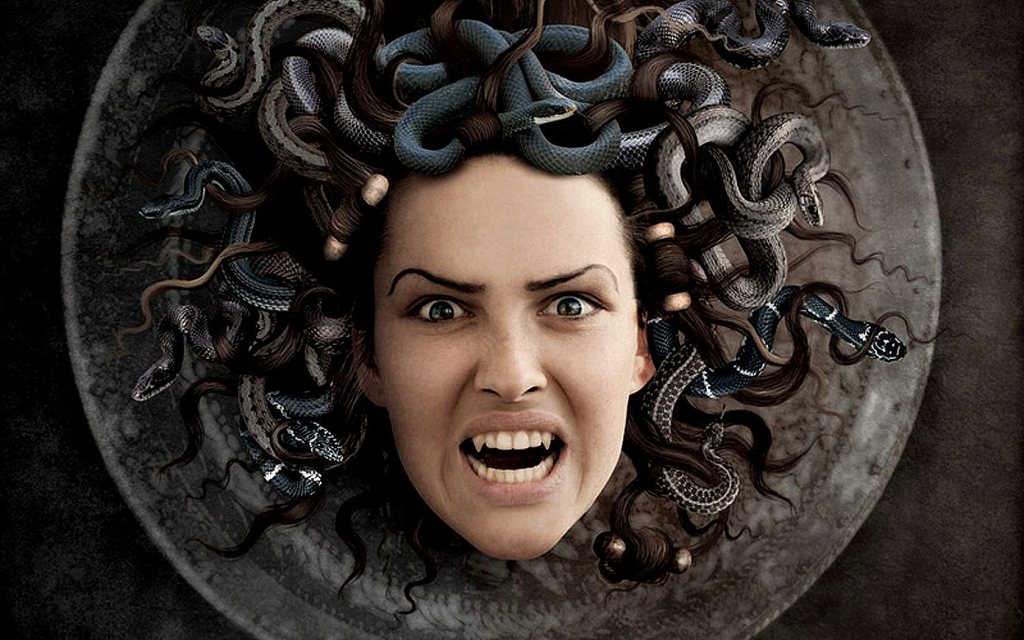
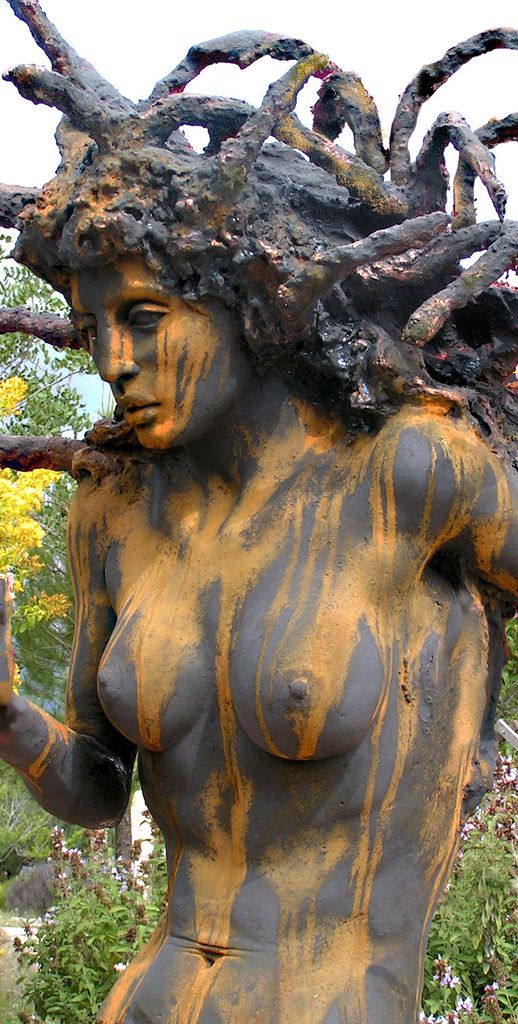
"Although Nietzsche had embarked upon the destruction of all idols, he too, in this way, recognized the desire for death inherent in the desire for truth at any cost. The philosopher who wants to examine all things 'in depth', discovers the petrifying abyss. The destiny of the man whom Nietzsche refers to as 'the Don Juan of knowledge' will be paralyzed as if by Medusa, and will himself be 'changed into a guest of stone' (Daybreak 327, 1881). This is also the destiny of the 'lover of truth' who, in the Dionysos Dithyramben (1888) appears to be 'changed into a statue/into a sacred column'. Nietzsche, who was aware of the necessity 'for the philosopher' to live within the 'closed circuit of representation' (Derrida), to seek the truth even if he no longer believes in it, without ever being able to attain it, devised his own version of the 'truth', his Medusa's head, the Eternal Return: 'Great thought is like Medusa's head: all the world's features harden, a deadly, ice-cold battle' (Posthumous Fragments, Winter 1884-5)."
origin unknown – would like to know more
DAY BREAK327. A FABLE .- The Don Juan of knowledge—no philosopher or poet has yet succeeded in discovering him. He is wanting in love for the things he recognizes, but he possesses wit, a lust for the hunting after knowledge, and the intrigues in connection with it, and he finds enjoyment in all these, even up to the highest and most distant stars of knowledge—until at last there is nothing left for him to pursue but the absolutely injurious side of knowledge, just as the drunkard who ends by drinking absinthe and aquafortis. That is why last of all he feels a longing for hell, for this is the final knowledge which seduces him. Perhaps even this would disappoint him, as all things do which one knows! and then he would have to stand still for all eternity, a victim to eternal deception, and transformed into his enemy, the Stony Guest, who longs for an evening meal of knowledge which will never more fall to his share! for the whole world of things will not have another mouthful left to offer to these hungry men.
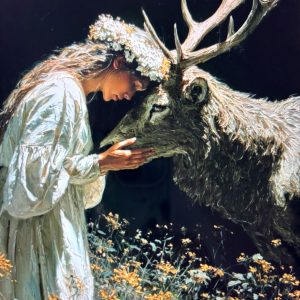
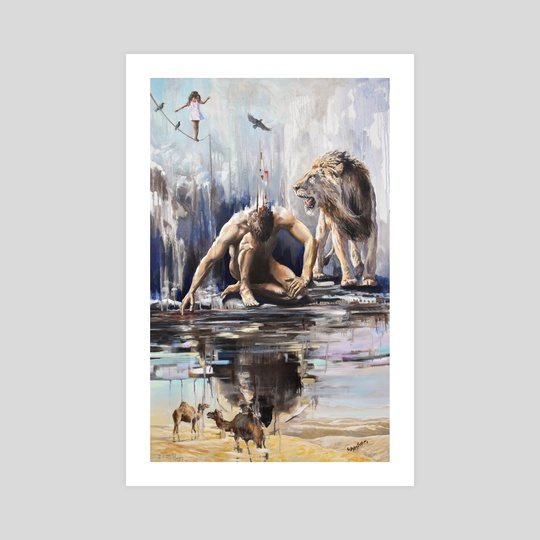
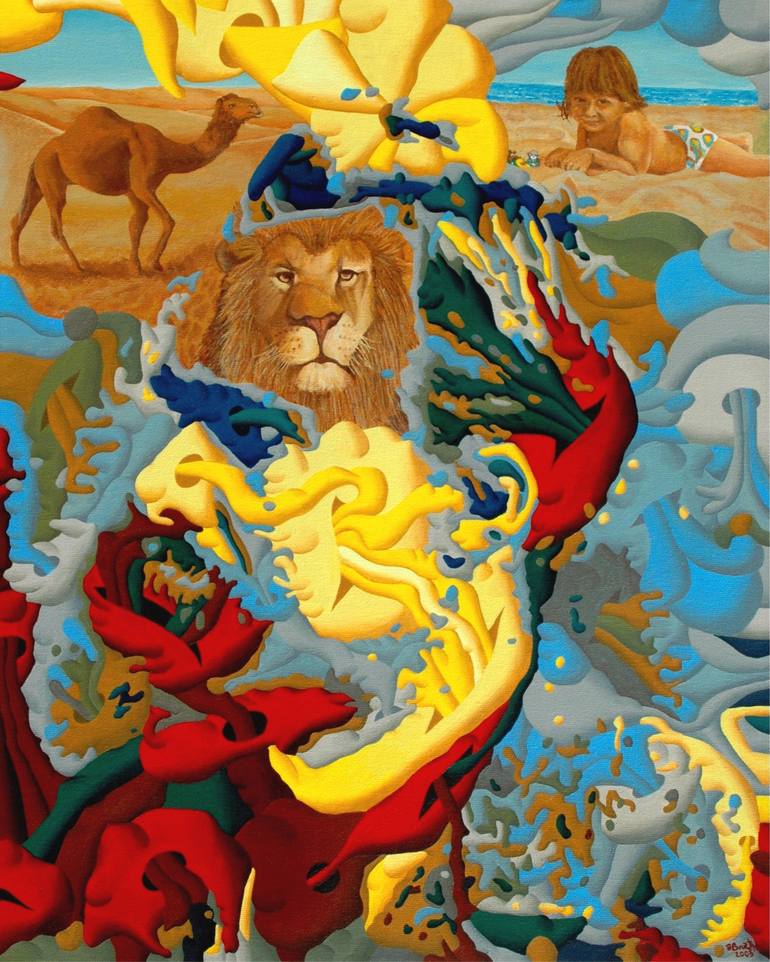
LIES AT THE HEART OF THE TALE OF ‘THE FUGITIVE STAG’ …a saga of spiritual transformation.
Nietzsche writes:
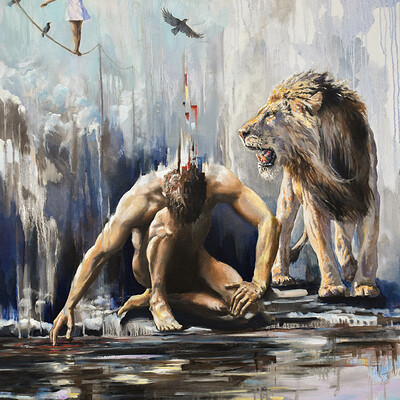
“But say, my brothers, what can the child do that even the lion could not do? Why must the preying lion still become a child? The child is innocence and forgetting, a new beginning, a game, a self-propelled wheel, a first movement, a sacred “Yes.” For the game of creation, my brothers, a sacred “Yes” is needed: the spirit now wills his own will, and he who had been lost to the world now conquers his own world.”
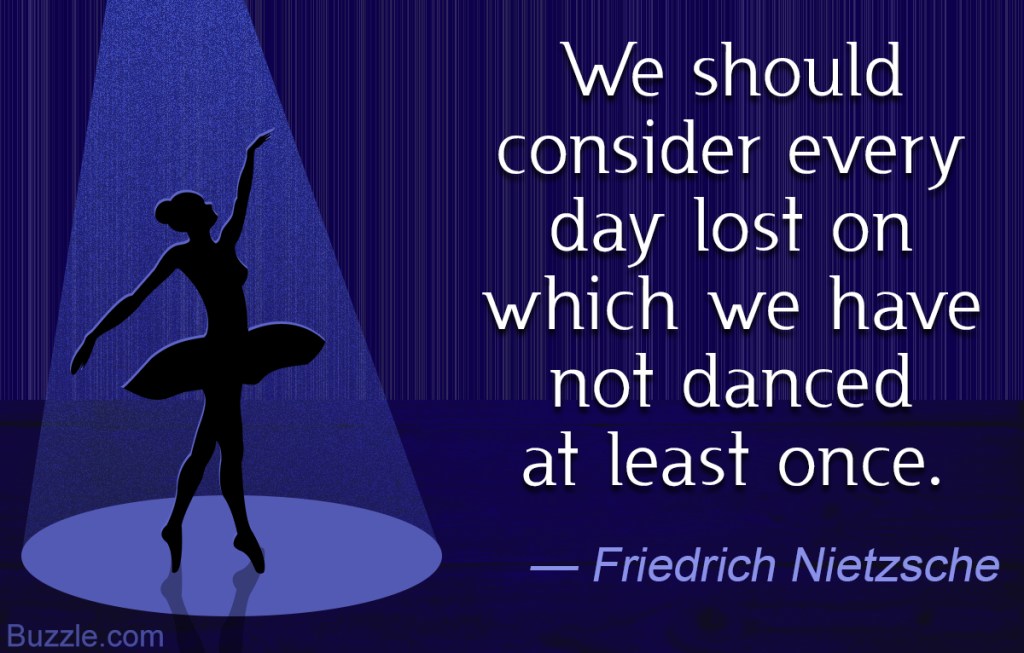
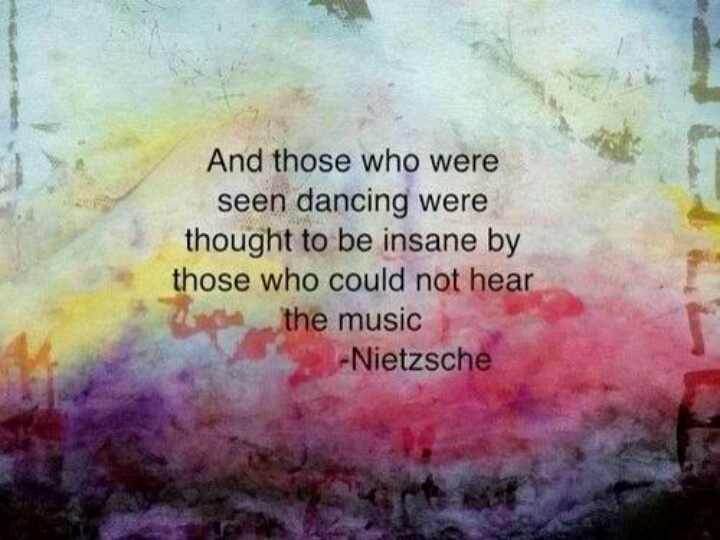
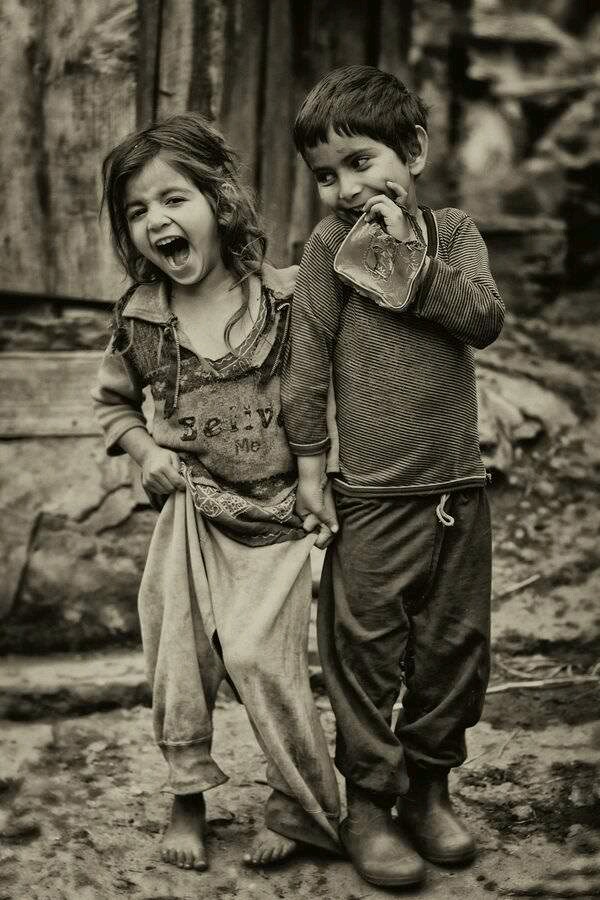
Jordan Bates (2013) Nietzsche holds that the lion must again transform in order to forget. The spirit has undergone much duress and turmoil in its transformations, but it must cleanse its mind of the past. In delivering a “sacred “Yes”", the child affirms the moment, affirms uncertainty, and affirms the flux of life. The child becomes a self-propelled wheel, just as life can be viewed in the same terms.THE CHILD ELECT TO ROLL WITH LIFE, DANCE AND PLAY WITH IT.




 The Fugitive Stag