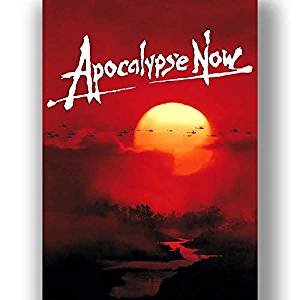
1 The brutal realism and ethos of F.
F. Coppola’s Apocalypse Now (1978)
2 John Boorman’s Excalibur
(1981): although ‘Stag’ is rooted in our modern world, as a Celt, I have always
been fascinated by the mythical, and the intimate proximity of the
‘Otherworld’.
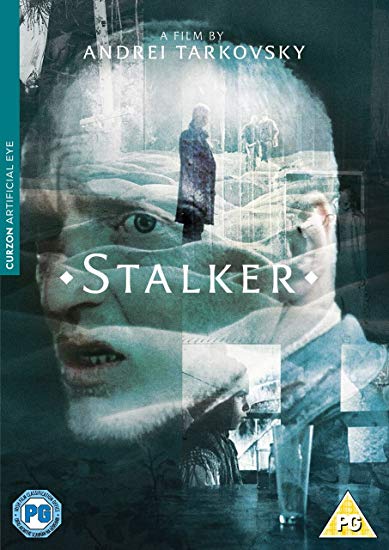
3 In addition to Tarkovsky’s
protagonists always undergoing a spiritual crisis, his films are not only a
‘seamless weaving of time, dream and memory’, but are also full of images of
great beauty.
4 The UK, BBC TV’s Peaky Blinders
(2013-19) is an important contemporary influence, not least because of its
strong characters and story-line as well as its original blend of ‘historical
drama’ and contemporary music.
Peaky Blinder’s ‘darkness’ is too one-sided, because ‘Stag’ isn’t just
about the high contrast between light and dark. ‘Stag’ is about the interplay
and balance between opposites, especially beauty and violence, compassion and
barbarity, patriarchal religion and the goddess. In ‘Stag’ light is used to
‘soften the edges’ and thus, at times, reduce the contrast between opposites,
in order to introduce a sense of calmness to a scene. In a violent and ugly world, the presence of
this calmness, or ‘beauty allied with grace’, is an important element in ‘The
Fugitive Stag’.





 The Fugitive Stag