Capitalism & Democracy – can they coexist?

Democracy is at odds with corporate hierarchies – a truly devastating insight.

Power in Democracy is dispersed – corporate power is concentrated!

Yes, sadly, today, we have to accept the limits of popular democracy.

Chris Hedges and Sheldon Wolin: Can Capitalism and Democracy Coexist? Fu… https://youtu.be/LGc8DMHMyi8?si=aub1xuS0vIPYeII3 via @YouTube

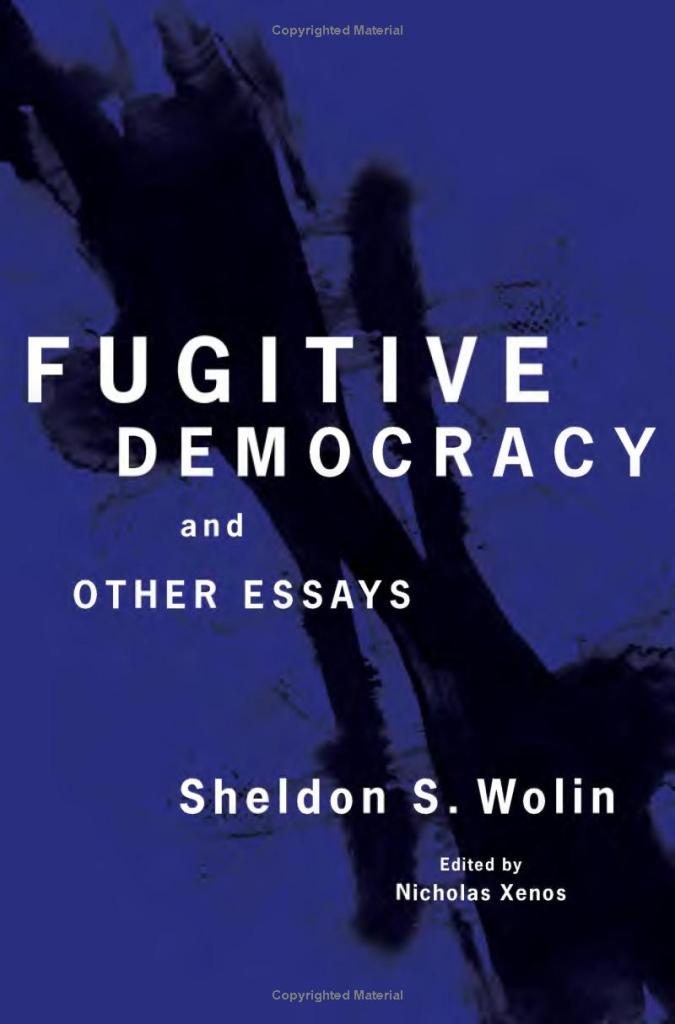
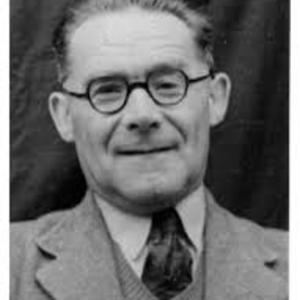
Sheldon Wolin 1922 – 2015

“Democracy in the late modern world cannot be a complete political system,” he wrote in a 1994 essay, “and given the awesome potentialities of modern forms of power, and what they exact of the social and natural world, it ought not to be hoped or striven for.”

“The left cannot play politics on terms set by mass media and mass organization,” he told The New York Times in 1982. “A more decentralized and local politics, scattered and diffuse, is the first best hope.”

He eventually took the view that corporate power and political power were becoming so intertwined in the USA, and the public so apathetic, that genuine participatory democracy was at best a remote possibility, expressed in rare “fugitive” expressions of the popular will.

In a word, the USA – and the West, in general – has invented a new political form, “inverted totalitarianism,“ in which economic rather than political power is dangerously dominant.


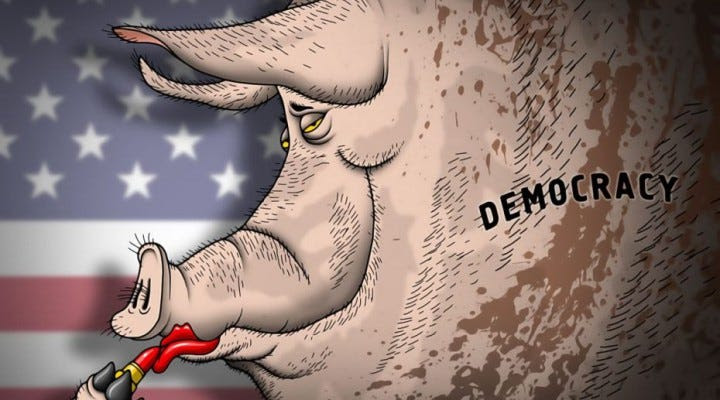
It looks as though Sheldon was right all along: true democracy is only seen and expressed in rare and spontaneous moments of popular participation and resistance to power – witness parts of West Africa today. What’s more, our democracy is by now totally dominated by the corporate agenda and, what I call the dark arts of ‘media entertainment’.

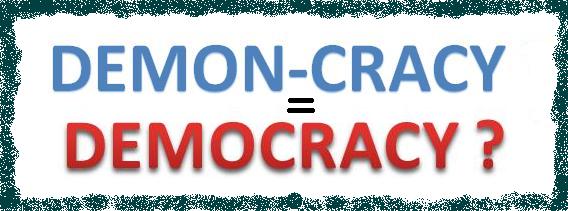
Remember, it only takes an ‘n’ to turn ‘demo-cracy’ into a demoN! That’s ‘cracy’!!!!!

Given Wolin’s depiction of potential “inverted totalitarianism” in the here and now, what does he suggest “the people” – referred to as “the demos” from the Greek – do? Mmmm!

What can ‘they’ do? What can ‘we’ do? Remember, the ‘demos’ only needs that ‘n’ to become demons … demonic! Maybe that is a risk that has to be taken. Maybe? Really?

I Keep the Mysteries True

The Mysteries Remain

The mysteries remain,
I keep the same
cycle of seed-time
and of sun and rain;
Demeter in the grass,
I multiply,
renew and bless
Bacchus in the vine;
I hold the law,
I keep the mysteries true,
the first of these
to name the living, dead;
I am the wine and bread.
I keep the law,
I hold the mysteries true,
I am the vine,
the branches, you
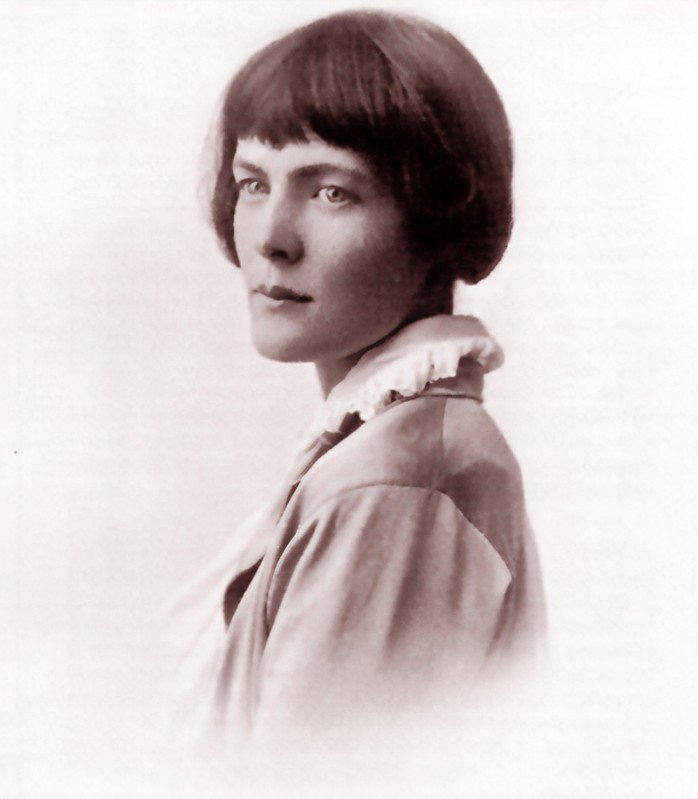
and you. (H.D. aka Hilda Doolittle)

H.D. 1886 Bethlehem PA -1961 Zurich

Idris Davies (2)

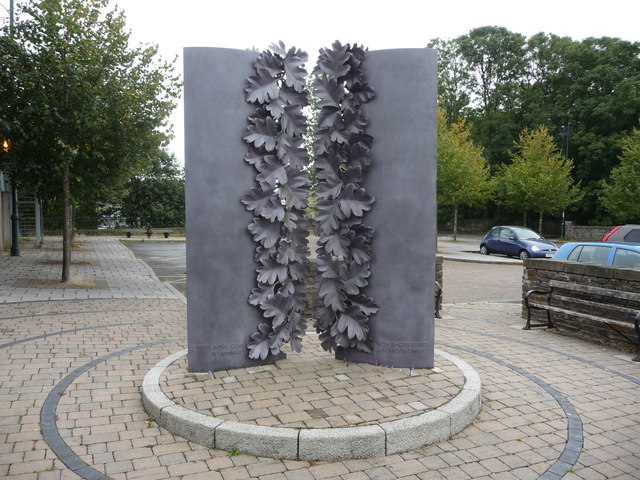
Idris Davies memorial in Rhymney

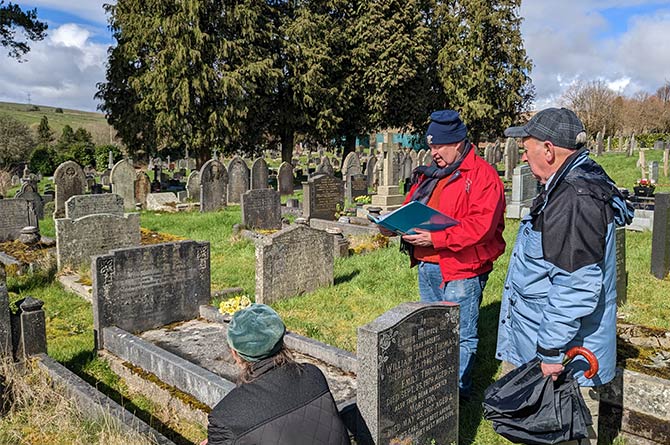
Idris Davies Grave

When April came to Rhymney,
with shower and sun and shower.
The green hills and the brown hills,
could sport some silver flower.
And sweet it was to fancy,
that even the blackest mound
was proud of its single daisy,
rooted in bitter ground.

And old men would remember,
and young men would be vain.
And the hawthorn by the pithead,
would blossom in the rain.
And the blackest streets of evening,
they had their magic hour,
when April came to Rhymney,
with shower and sun and shower.

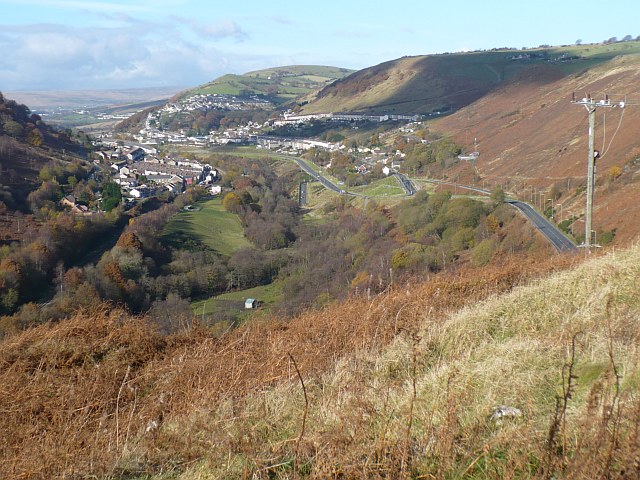
Rhymney Valley by Robert Drayton

Resurrection

RESURRECTION

And I rise, and I remember

The lads I used to know,

And I must go to greet them

Ere in the cloud I go.

Though one of them betrayed me,

And one denied my name,

And the other ten forsook me,

Yet will I smother blame.

O I will seek and find them

And talk of what would be

When we were friends together

On the hills of Galilee.

Though one of them is strangled,

The other eleven live,

And I will smile upon them

To show that I forgive.

And I will stand before them

Till every doubt is dead,

And speak of peaceful pleasures

Ere thorns were round my head.

And I will talk of troubles

And joys that used to be

When we were friends together

On the hills of Galilee.                          

IDRIS DAVIES (1905 – 1953)

Born and died in Rhymney nr. Merthyr Tydfil in South Wales.

Idris Davies (6 January 1905 – 6 April 1953) was a Welsh poet. He wrote originally in Welsh but later writing exclusively in English. He was the only poet to cover significant events of the early 20th century in the South Wales coal mining valleys.

In a diary entry Davies wrote: “I am a socialist. That is why I want as much beauty as possible in our everyday lives, and so I am an enemy of pseudo-poetry and pseudo-art of all kinds. Too many ‘poets of the Left’, as they call themselves, are badly in need of instruction as to the difference between poetry and propaganda … These people should read William Blake on Imagination until they show signs of understanding him. Then the air will be clear again, and the land be, if not full of, fit for song.”

Gwalia Deserta XXXVI

In the places of my boyhood
The pit-wheels turn no more,
Nor any furnace lightens
The midnight as of yore.


The slopes of slag and cinder
Are sulking on the rain,
And in derelict valleys
The hope of youth is slain.


And yet I love to wander
The early ways I went,
And watch from doors and bridges
The hills and skies of Gwent.


Though blighted be the valleys
Where man meets man with pain,
The things by boyhood cherished
Stand firm, and shall remain.

from Gwalia Deserta (1938)
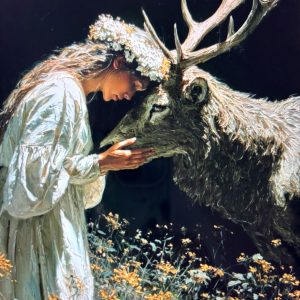
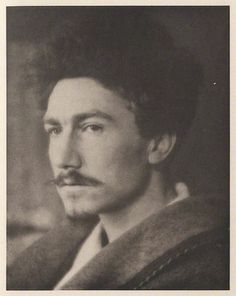
Child of the Grass – Ezra Pound

Child of the grass

The years pass Above us

Shadows of air All these shall Love us

Winds for our fellows

The browns and the yellows

            Of autumn our colours

Now at our life’s morn. Be we well sworn

Ne’er to grow older

Our spirits be bolder At meeting

Than e’er before All the old lore

Of the forests & woodways

Shall aid us: Keep we the bond & seal

Ne’er shall we feel

            Aught of sorrow

Let light flow about thee

            As a cloak of air

EZRA POUND (1885 – 1972)

ABSOLUTE REVERENCE – D H Lawrence

I feel absolute reverence to nobody and to nothing human

neither to persons nor things nor ideas, ideals nor religions nor institutions,

to these things I feel only respect, and a tinge of reverence

when I see the fluttering of pure life in them.

But to something unseen, unknown, creative

from which I feel I am a derivative

I feel absolute reverence, Say no more!

David Herbert Lawrence 1885 – 1930

African Stream writes:

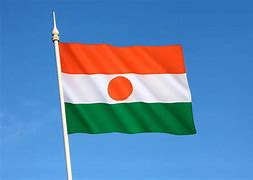
The coup in Niger has made it blatantly clear what an obedient lapdog ECOWAS is for ex-colonial overlord France. The regional alliance of West African states might as well rebrand now as Paris’ enforcer. Moving in lockstep with the West, ECOWAS imposed sanctions on poverty-hit Niger after the military seizure of power. These included freezing national assets, ending ‘aid’ to the country and halting financial transactions, as well as closing borders with Niger and banning commercial flights. On top of that, ECOWAS issued an ultimatum to the new Nigerien leadership: reinstate deposed France-friendly President Mohamed Bazoum within 7 days, or we may use force to ensure a coup reversal! That deadline has now expired, but the military threat still looms large. Niamey has closed its airspace as a precaution. Niger is not the first African nation to be targeted by ECOWAS, apparently on behalf of its master. The bloc imposed similar sanctions on Mali, Burkina Faso and Guinea after military forces in those countries seized power and started cutting ties with France. It’s an old story: Africans fighting their brothers for the interests of external neo-/colonial powers. Let’s hope those that govern us finally feel inspired to rewrite the script of this now boring and played-out tragedy.

Moon of Alabama comment …

… Your idea denies the people of Niger are acting out of self-interest. They suffered 60 years of rapacious neocolonialism and would have kicked out the French long ago, if they could have. Russia didn’t pull any strings. Niger’s military leaders realized the time was ripe, that France is a paper tiger, that Niger has friends both inside and outside Africa, etc. If you prefer to look at this like a chessboard, it’s like the knights started moving on their own initiative without any chess master. That British rag, The Economist”, published a poll which shows 78% of the people in Niger support the coup. The Brits would not have published it, if it were untrue.

Posted by: JessDTruth | Aug 8 2023 


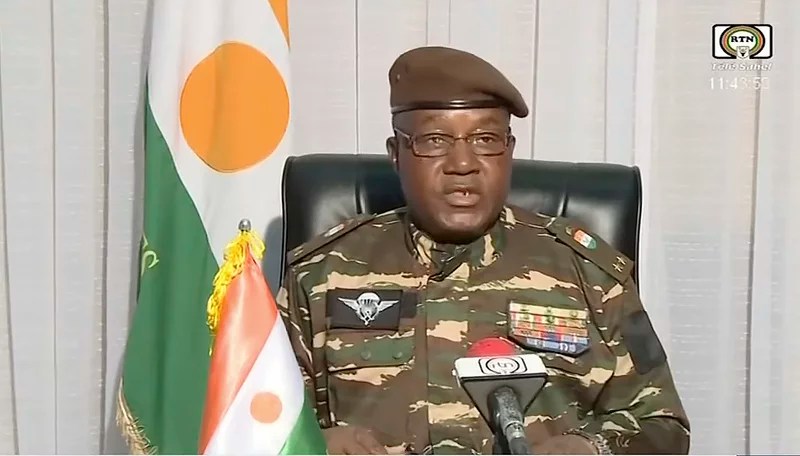
 Gen. Abdourahmane Tchiani

Remembering Thomas Sankara

Forty years ago, in August 1983 (4th, in fact) Burkinabe Marxist revolutionary, Thomas Sankara, a former fighter pilot (known to many as ‘Africa’s Che Guevara’), became President of Burkina Faso – it means ‘Land of Dignity’.

He was serving as Prime Minister in 1983, when disputes with the sitting government led to his imprisonment. A group of revolutionaries seized power on his behalf in a popularly-supported military coup. Aged 33, Sankara became the President of the Republic of Upper Volta (as it was then called) and launched social, ecological and economic programmes.

During his short four years in power, the African ‘Land of Dignity’:

1 Vaccinated 2.5 million children against meningitis, yellow fever and measles in a matter of weeks.

2 He initiated a nation-wide literacy campaign, increasing the literacy rate from 13% in 1983 to 73% in 1987.

3 He planted over 10 million trees to prevent desertification.

4 He built roads and a railway to tie the nation together, without foreign aid.

5 He appointed women to high governmental positions, encouraged them to work, recruited them into the military, and granted pregnancy leave during  education.

6 He outlawed female genital mutilation, forced marriages and polygamy in support of Women’s rights.

7 He redistributed land from the feudal landlords and gace it directly to the peasants.

8 Wheat production rose in three years from 1700 kg per hectare to 3800 kg per hectare, making the country food self-sufficient.

On 15 October 1987, unhappy with his socialist programme, Sankara was overthrown and assassinated in a military coup backed by France and CIA . He was 37 years old. The killing was engineered by a close confidant of Thomas, one Blaise Campaore. He became the new leader, backed by – well, you can guess who! His dictatorship remained in power for 27 years until overthrown by popular protests in 2014.

A few months prior to his death, Sankara had also called on African countries to not pay back debt to European countries and international institutions such as the IMF and World Bank.

Most people opposed the new French/CIA backed regime. Many wreaths were sent to Sankara’s grave with the words ‘Thomas Sankara cannot be murdered by traitors’, and ‘the people will never forget you’. The regime even blocked a ‘funeral’ to be held for Sankara, in case it turned into a display of mass opposition to the coup. His body was actually dismembered and buried in an unmarked grave. By contrast, a demonstration of support for the new regime was cancelled because hardly anyone turned up.

Today, Burkina Faso is led by 34 year old interim leader Ibrahim Traore, having ousted the unpopular interim president Damiba in a military coup in September 2022.

The red beret? You guessed – in honour, and in celebration of, Thomas Sankar.

Thomas Sankara’s biographer, Ernest Harsch, paints a vivid image of the remarkable personality of this legendary African icon:

He did not like the general pomp that came with the office. He was interested in ideas. He’d think for a while, then respond to your questions. In terms of public events, he really knew how to talk to people. He was a great orator. He loved to joke. He often played with the French language and coined new terms. He often made puns. So, he had a sense of humour. In Burkina Faso, you’d see him riding around the capital on a bicycle or walking around on foot without an entourage.

Fast forward to 2023 and events in Niger: Sankara, the anti-imperialist, took power on a promise to thwart corruption and post-colonial influences, denouncing foreign aid as a control mechanism. Today, many share his ideals in west Africa.

Five meters high, on 2 March 2029, a statue was unveiled in Ouagadougou in memory of Thomas Sankar. “We have emotions at this site but we have to capitalize on those emotions to move forward. Those who fell here remind us that we are fighting for freedom and justice,” said Ghanaian John Rawlings, described as a “great friend” of Sankara. It is a deserved tribute for the one who was the father of the democratic and popular revolution in modern day Africa.

Don’t Let Ukraine Join NATO: The Costs of Expanding the Alliance Outweigh the Benefits

Published in FOREIGN AFFAIRS

Justin Logan and Joshua Shifrinson 7 July 2023

As the war in Ukraine grinds on, policymakers and pundits, including Ukrainian President Volodymyr Zelensky and the former U.S. ambassador to NATO, Ivo Daalder, are pushing for NATO to offer Ukraine what French President Emmanuel Macron calls “a path toward membership” after the conflict concludes.

This is not just show.

Ukraine’s membership aspirations will now be a central topic of debate at NATO’s summit next week in Vilnius, with Ukraine arguing – as its former defence minister Andriy Zagorodnyuk wrote recently in Foreign Affairs – that it “should be welcomed and embraced” by the alliance. The way in which this issue is settled will have serious consequences for the United States, Europe, and beyond.

The stakes could not be higher.

Membership in NATO encompasses a commitment by the allies to fight and die for one another. Partly for this very reason, its members worked throughout the post–Cold War era to avoid expanding the alliance to states that faced a near-term risk of being attacked. NATO leaders have also long understood that admitting Ukraine involves a very real possibility of war (including nuclear war) with Russia. Indeed, the chance of such a conflict and its devastating consequences is the main reason that the United States and other NATO members have sought to avoid being drawn in more deeply into the war in Ukraine.

The tension is clear: almost no one thinks that NATO should fight directly with Russia for Ukraine today, but many favour promising Ukraine a path into the alliance and committing to fight for it in the future.

Ukraine should not be welcomed into NATO, and this is something U.S. President Joe Biden should make clear.

Kyiv’s resistance to Russian aggression has been heroic, but ultimately states do what is in their self-interest.

And here, the security benefits to the United States of Ukrainian accession pale in comparison with the risks of bringing it into the alliance.

Admitting Ukraine to NATO would raise the prospect of a grim choice between a war with Russia and the devastating consequences involved or backing down and devaluing NATO’s security guarantee across the entire alliance.

At the Vilnius summit and beyond, NATO leaders would be wise to acknowledge these facts and close the door to Ukraine.