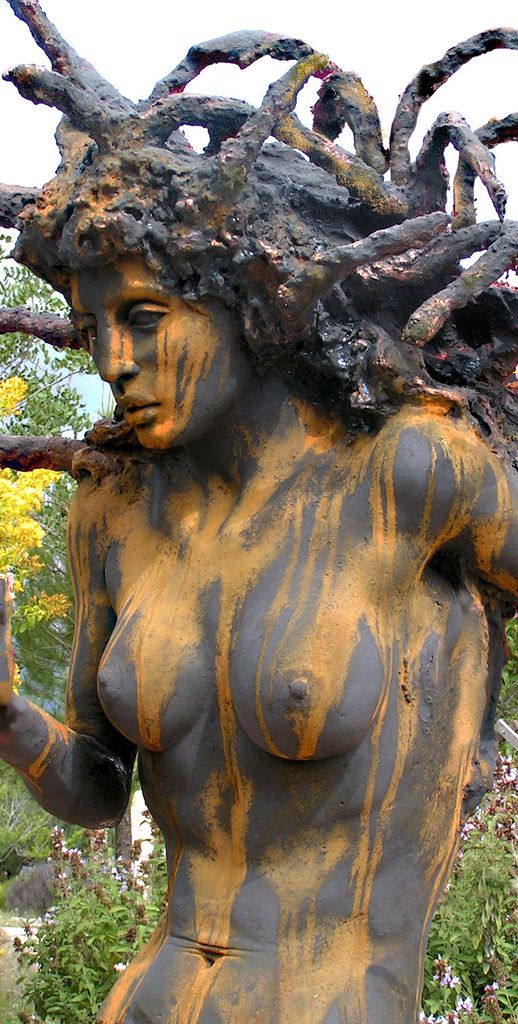
"Although Nietzsche had embarked upon the destruction of all idols, he too, in this way, recognized the desire for death inherent in the desire for truth at any cost. The philosopher who wants to examine all things 'in depth', discovers the petrifying abyss. The destiny of the man whom Nietzsche refers to as 'the Don Juan of knowledge' will be paralyzed as if by Medusa, and will himself be 'changed into a guest of stone' (Daybreak 327, 1881). This is also the destiny of the 'lover of truth' who, in the Dionysos Dithyramben (1888) appears to be 'changed into a statue/into a sacred column'. Nietzsche, who was aware of the necessity 'for the philosopher' to live within the 'closed circuit of representation' (Derrida), to seek the truth even if he no longer believes in it, without ever being able to attain it, devised his own version of the 'truth', his Medusa's head, the Eternal Return: 'Great thought is like Medusa's head: all the world's features harden, a deadly, ice-cold battle' (Posthumous Fragments, Winter 1884-5)."
origin unknown – would like to know more
DAY BREAK327. A FABLE .- The Don Juan of knowledge—no philosopher or poet has yet succeeded in discovering him. He is wanting in love for the things he recognizes, but he possesses wit, a lust for the hunting after knowledge, and the intrigues in connection with it, and he finds enjoyment in all these, even up to the highest and most distant stars of knowledge—until at last there is nothing left for him to pursue but the absolutely injurious side of knowledge, just as the drunkard who ends by drinking absinthe and aquafortis. That is why last of all he feels a longing for hell, for this is the final knowledge which seduces him. Perhaps even this would disappoint him, as all things do which one knows! and then he would have to stand still for all eternity, a victim to eternal deception, and transformed into his enemy, the Stony Guest, who longs for an evening meal of knowledge which will never more fall to his share! for the whole world of things will not have another mouthful left to offer to these hungry men.
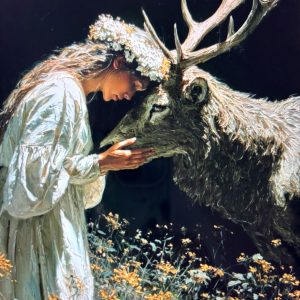
LIES AT THE HEART OF THE TALE OF ‘THE FUGITIVE STAG’ …a saga of spiritual transformation.
Nietzsche writes:
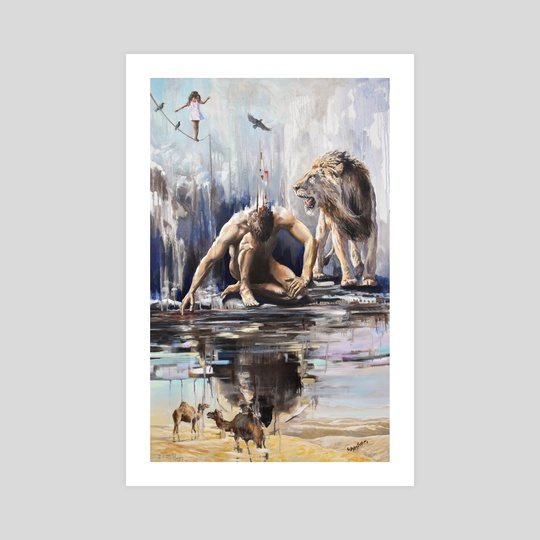
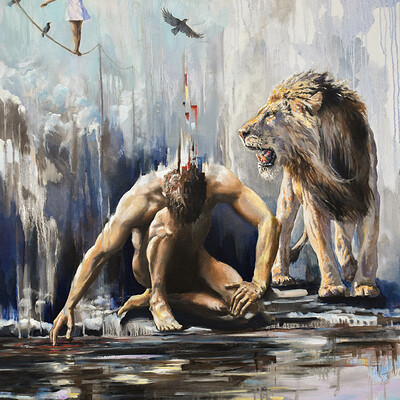
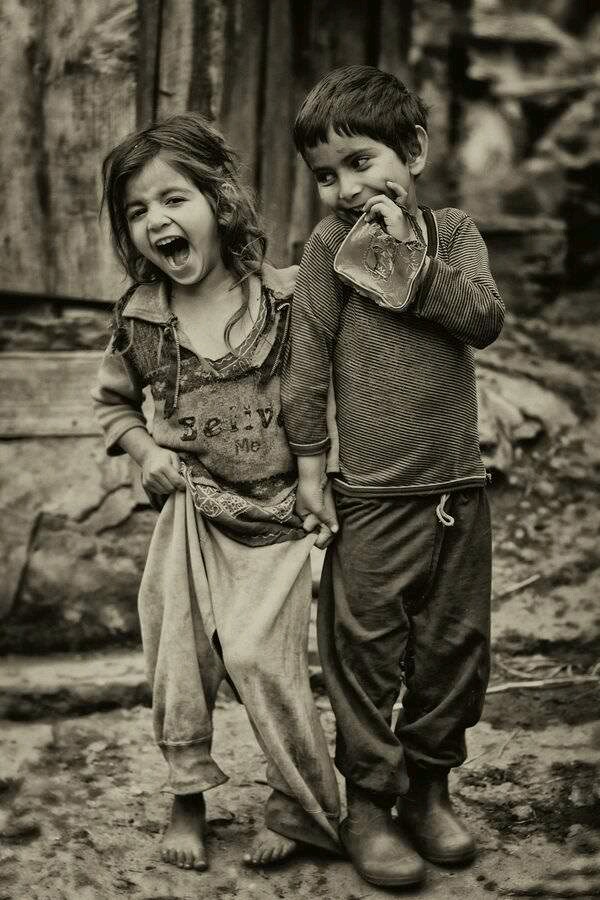
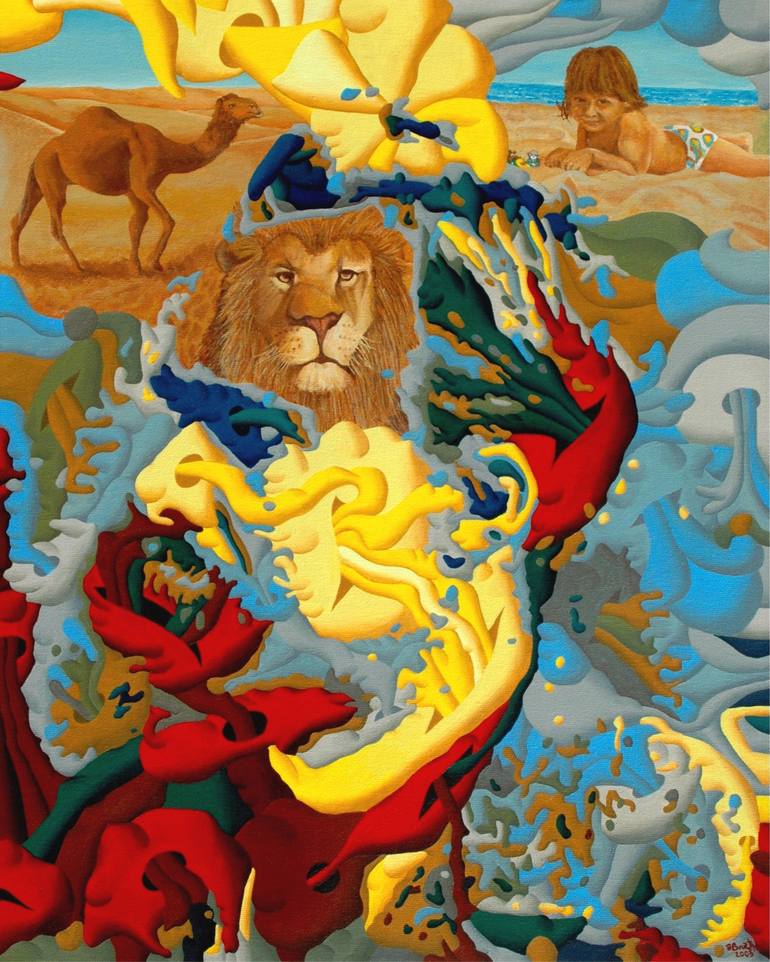
“But say, my brothers, what can the child do that even the lion could not do? Why must the preying lion still become a child? The child is innocence and forgetting, a new beginning, a game, a self-propelled wheel, a first movement, a sacred “Yes.” For the game of creation, my brothers, a sacred “Yes” is needed: the spirit now wills his own will, and he who had been lost to the world now conquers his own world.”
Jordan Bates (2013) Nietzsche holds that the lion must again transform in order to forget. The spirit has undergone much duress and turmoil in its transformations, but it must cleanse its mind of the past. In delivering a “sacred “Yes”", the child affirms the moment, affirms uncertainty, and affirms the flux of life. The child becomes a self-propelled wheel, just as life can be viewed in the same terms.THE CHILD ELECT TO ROLL WITH LIFE, DANCE AND PLAY WITH IT.
89 YEARSBEFORE NIETZSCHE DECLARED THAT ‘GOD IS DEAD’ (1884), WILLIAM BLAKE HAD ONE OF HIS CHARACTERS – FUZON – DECLARE:
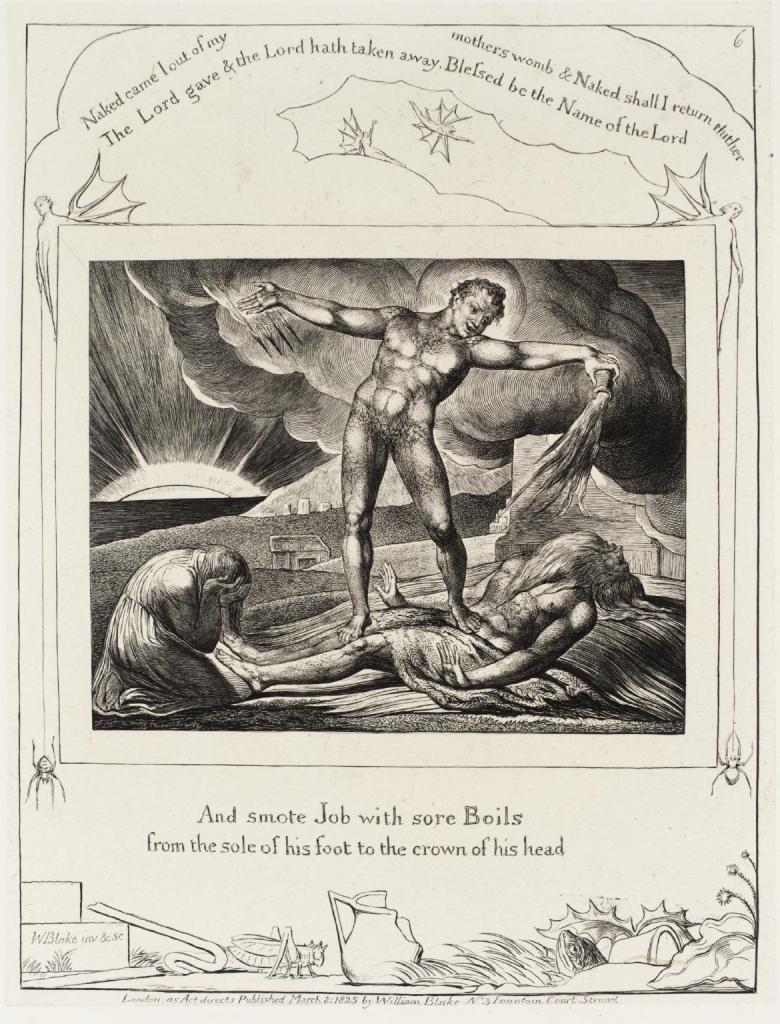
“Shall we worship this Demon of Smoke,”Said Fuzon, “This abstract non-entityThis cloudy God seated on WatersNow seen, now obscur’d; King of sorrow?”Book of Ahania 1795Fuzon rebelled against his tyrant father but then declared himself God - " the eldest of things!"And what did God do? He crucified his own son for daring to question and judge his father!So, God killed God!He even crucified him! Ring any bells!
"Sudden sings the rock; swift & invisible
On Fuzon flew; enter’d his bosom.
His beautiful visage, his tresses
That gave light to the mornings of heaven
Were smitten with darkenss, deform’d
And outstretch’d on the edge of the forest …With difficulty & great pain Urizen
Lifted on high the dead corse;
On his shoulders he bore it to where
A Tree hung over the Immensity …The corse of his first begotten
on the accursed Tree of Mystery
On the topmost stem of this Tree."
Urizen nail’d Fuzon’s corse.
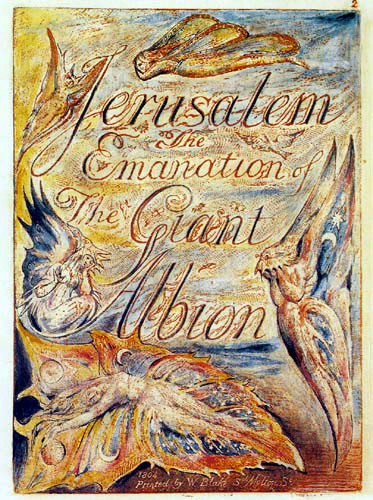
And thou America! I once beheld thee but now behold no more. Thy golden mountains where my Cherubim & Seraphim rejoicd Together among my little-ones. But now, my Altars run with blood! My fires are corrupt! my incense is a cloudy pestilence Of seven diseases! Once a continual cloud of salvation. rose From all my myriads ...From William Blake's 'Jerusalem - The Emanation of the Giant Albion, Chapter 4 (1804 - 1820)1820 - 2020 !
Others in the south may still linger,
Basking in the paradise garden.
Here it’s northerly, and this year
For my friend I’ve chosen autumn.
I’ve brought here the blessed memory
Of my last non-meeting with you –
The pure flame of my victory
Over fate, so cold, so pure.

Anna Akhmatova
Is this century worse than those before?’

Is this century really worse than those before?
Perhaps, in that dazed by fear and grief,
It touched a blackest sore
It could not heal.

In the west the earthly sun shines yet,
And city roofs gleam in its light,
But here the white one marks doors with crosses,
Summons the crows, and the crows are in flight.

Anna Akhmatova
So many stones are thrown at me
That I no longer cower,
The turret’s cage is shapely,
High among high towers.
My thanks, to its builders,
May they evade pain and woe,
Here, I see suns rise earlier,
Here, their last splendours glow.
And often winds from northern seas
Fill the windows of my sanctuary,
And a dove eats corn from my palm…
And divinely light and calm,
The Muse’s sun burnt hand’s at play,
Finishing my unfinished page.

A much loved favourite of mine ...
Timely words from Buenos Aires – on Luciano’s blog
The image of Medb’s severed head has never haunted me.
For a while I found it comforting, in a strange sort of way.
I can still hear the raucous belly-laugh, mirrored in Medb’s smiling face.
A face, now, forever frozen in time.
Everything happened so quickly.
What I do remember is Medb looking as beautiful in death as she was in life.
I drew her to me.
It was one of the most intimate moments in my life.
Medb’s blood was everywhere.
Rose-coloured blood covered me like a liquid shroud.
I could even taste it on my lips, and feel it running down my beard.
It was the smell of death.
Death mingled with car oil.
Although my eyes were a blur, some of my other senses were working overtime, trying to make sense of my new environment: creaking metal, burnt rubber, the wind in the trees.
Then silence.
And in the silence three drops of blood fell on my forehead.
In. Slow. Motion.
Medb, in death, anointing me, I fantasized.
Not for a moment did I consider the possibility that this may have been a nightmare.



 The Fugitive Stag