“I want – I should like –

to create images which radiate deep meaning, meaning beyond what they show on their faces, but still ground in the visible, as if the object or fact presented on the screen were the ‘sign’ of a psychic movement, of an impulse, of an inspiration, the sign by which man recognizes himself” …Sergei Eistenstein

Love the sentiments

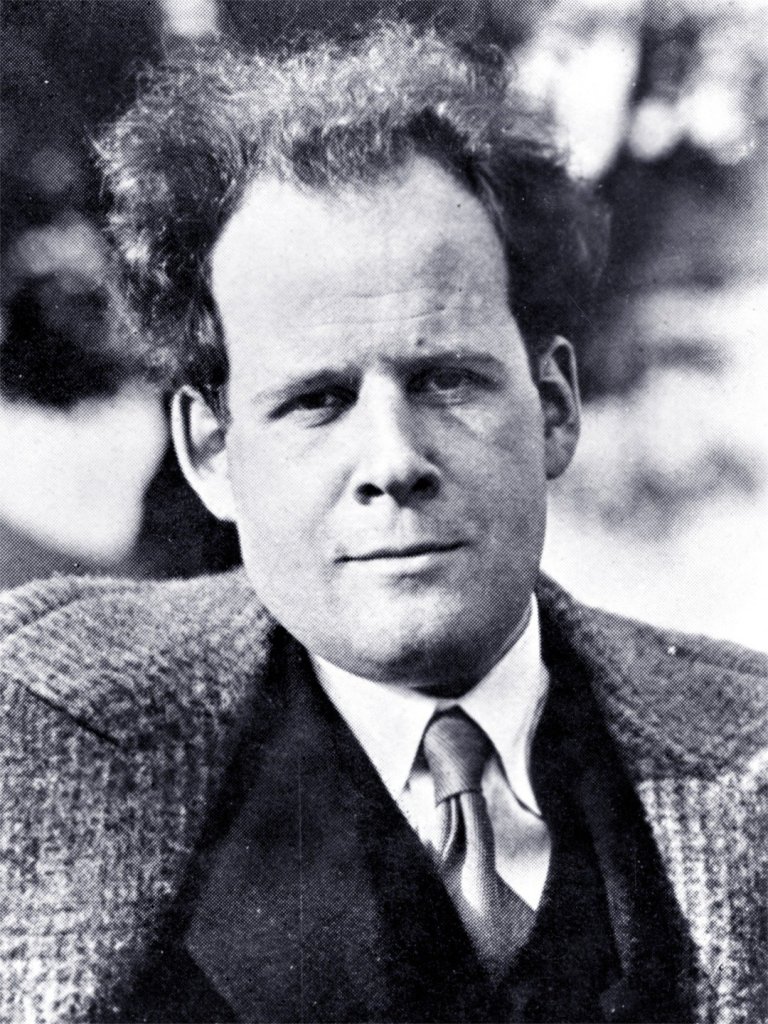
Sergei Eisenstein 1898-1948 .Photo by Mary Evans Grant from the Ronald Grant archives.

An ancient shamanic experience? …

The mares that carry me as far as longing can reach rode on, once they had come and fetched me onto the legendary road of divinity that carries the man who knows through the vast and dark unknown. And on I was carried as the mares, aware just where to go, kept carrying me straining the chariot; and young women led the way …

And the goddess (Persephone) welcomed me kindly, and took my right hand in hers and spoke these words as she addressed me: ‘Welcome young man, partnered by immortal charioteers, reaching our home with the mares that carry you. Parmenides b. 515 BC

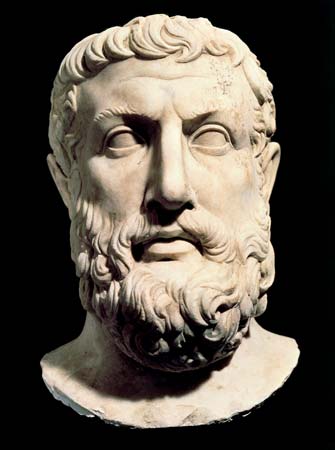
Parmenides of Elea

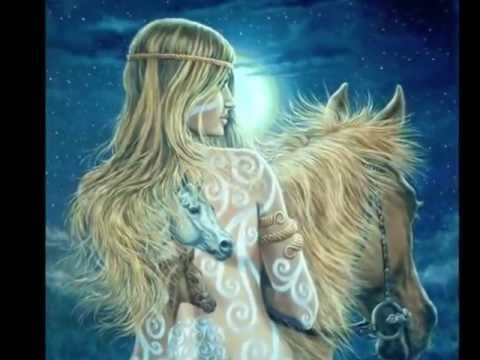
Rhiannon

Surviving ‘the Waste Land’…

I never imagined that back in the 1980s, the discovery, and subsequent theft, of half-a-millennia old Northern European ‘stag carvings,’ would become a core event in my personal story over many decades.

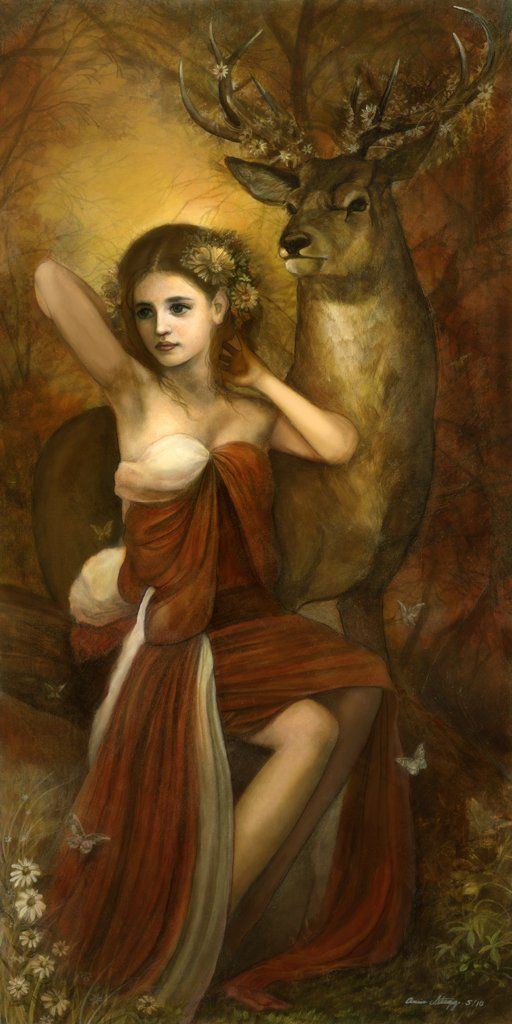
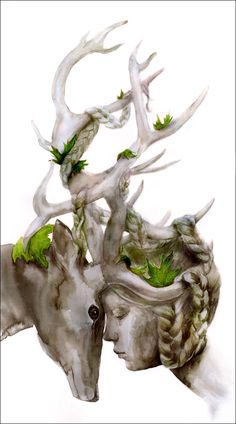
‘My’ fugitive stag took me on a quest that led to Goddess, or what Goethe calls the ‘Eternal Feminine.’ Together, ‘she’ and I toured European culture, past and present, exploring social, cultural, theological and philosophical ideas within my spiritual heritage.

Much of what I saw was a ‘Waste Land’. I even thought at one point that I would be stuck in “rats’ alley.”

Poetry helped save me. Beauty became my redemptrix.

And much to my surprise, the record of my adventure ended up not as a prose poem but a screenplay. A film flirting with the world of arthouse and high concept films!

But only flirting.

The ‘Fugitive Stag’ is an exciting adventure story with broad audience appeal. And a tagline supplied by one of the greatest writers of all time, the Russian Dostoevsky – “Beauty will save the world.”
Native spirituality…

My native Celtic Cross

Earth energies’ at pre-historic Bryn Celli Ddu burial chamber, Mona (Anglesey)
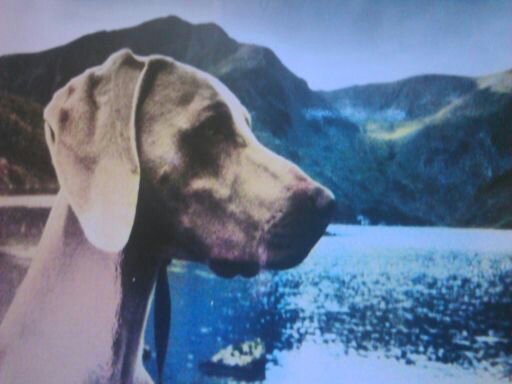
Merlin (Stormdancer Wildmagic) – our first ‘Silver Hound’ – at Llyn (Lake) Ogwen, near Bethesda , my patriarchal home.
Taliesin (Stormdancer Magnifique)

Some day we shall get up before the dawn
And find our ancient hounds before the door,
And wide awake know that the hunt is on …

(from W B Yeats ‘Hound Voice’)

… With them the silver hounds, 
            sniffing the trace of air!  Haie! Haie

(from Ezra Pound ‘The Return’)


Screenwriting (and film making)must have life experience at its foundation.

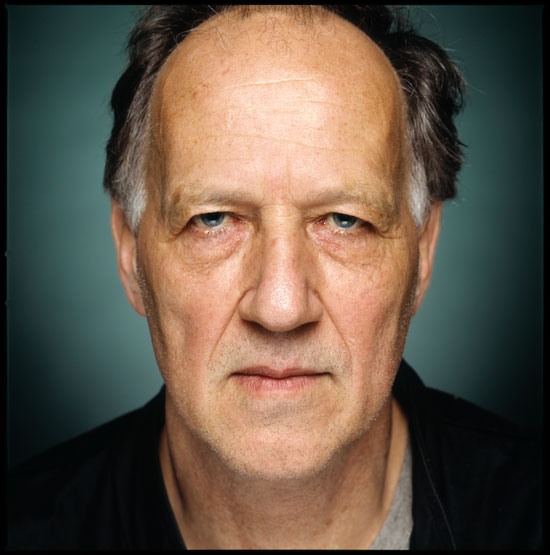
Werner Herzog writes “A lot of what you see in my films isn’t invention; it’s very much life itself, my own life. If you have an image in your head, hold on to it, because. as remote as it might seem, at some point you might be able to use it in a film.

I have always sought to transform my own experiences and fantasies into cinema.”

Yes! True metamorphosis.

Herzog continues: “My films come to me very much alive, like dreams, without explanation. I never think about what it means. I think only about telling a story, and however illogical the images, I let them invade me.”

Werner Herzog, now 77 years old, with 70 feature films, documentaries, and television shows to his credit over 50 years. 

From 5 December 2015 …We will have to invent completely new characters and new situations – Peter Bradshaw.

Almost four years on since I took up Peter’s challenge …

We are hurtling towards TV remake apocalypse. Prepare for the worst | Peter Bradshaw – https://www.theguardian.com/commentisfree/2015/dec/04/tv-remake-apocalypse-prepare-worst-film-icons?CMP=share_btn_tw

“Running dangerously low on mythic icons to sex up or reinvent. God forbid they should create something original.

“I need a theatre” …

… wrote W B Yeats!” I NEED A FILM! Yeats desire was ” to show events and not merely tell of them … and I seem to myself most alive at the moment when a room full of people share the one lofty emotion. My blunder has been that I did not discover in my youth that my theatre must be the ancient theatre that can be made by unrolling a carpet or marking out a place with a stick, or setting a screen against the wall. (W B Yeats – Note on ‘At the Hawk’s Well’).

Yeats believed that “drama is a picture of the soul of man not his exterior life.” At Samhain 1904 Yeats spoke of a dramatic art which reveals the “energy” of the soul and stated that “we, who are believers, cannot see reality anywhere but in the soul itself. For Yeats the most serious subject for drama was this reality, which he saw as the struggle of the spiritual with the natural order taking place in the depths of the soul.

It is in the soul that those difficult spiritual tests occur that shape a man’s destiny in the external world. Yeats felt that the long decline in the arts was “but the shadow of a declining faith in an unseen reality,”^ and he sought a dramatic art which could deal with the spiritual core of man’s existence on the living stage … Much of his creative energy went into the search for a dramatic art which would allow him to dramatize the nature of spiritual reality in terms of an internal struggle in the soul between the natural and supernatural.

And finally this passage which resonates deeply within me in 2019 … timeless sentiments …“Now the art I long for is also a battle, but it takes place in the depths of the soul and one of the antagonists does not wear a shape known to the world or speak a mortal tongue. It is the struggle of the dream with the world – it is only possible when we transcend circumstances and ourselves, and the greater the contest, the greater the art.” (W B Yeats 1915).

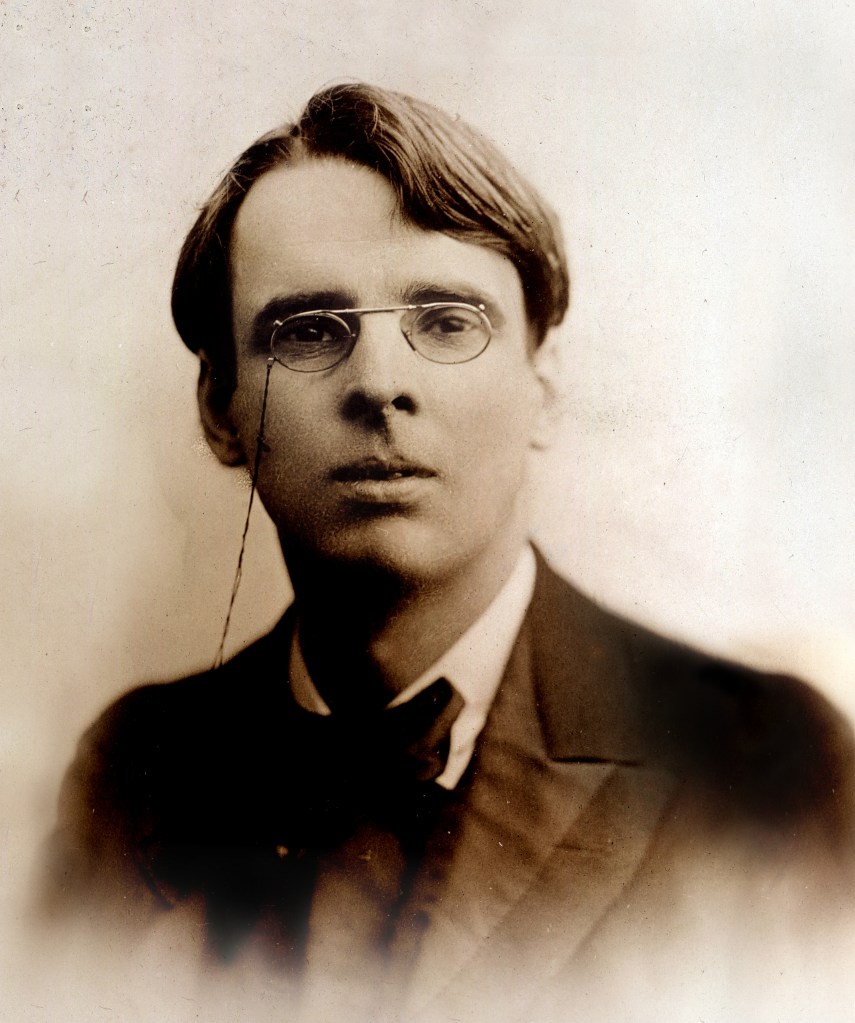
William Butler Yeats (1865-1939)